


Master the Art of Traditional Indian Cooking with Authentic Traditional Indian Meals
- Mohamad Sikander

- 2 days ago
- 4 min read
When we think about traditional Indian meals, we imagine a vibrant tapestry of flavors, colors, and aromas that tell stories of centuries-old culinary heritage. Cooking Indian food at home is not just about following recipes; it’s about embracing a culture, a way of life, and a celebration of spices and fresh ingredients. Today, let’s embark on a flavorful journey to master the art of traditional Indian cooking, right from our own kitchens!
Discovering the Heart of Traditional Indian Meals
Traditional Indian meals are a symphony of spices, textures, and techniques that vary widely across regions. From the rich, creamy curries of the North to the tangy, coconut-infused dishes of the South, each meal is a reflection of local ingredients and cultural influences.
To start, it’s essential to understand the basic components of a traditional Indian meal:
Staples: Rice, wheat (in the form of roti or naan), and lentils.
Vegetables: Often cooked with spices or served fresh in salads.
Proteins: Lentils, chickpeas, paneer (Indian cheese), chicken, lamb, or fish.
Spices: Cumin, coriander, turmeric, garam masala, mustard seeds, and more.
Accompaniments: Pickles, chutneys, yogurt, and fresh herbs.
By mastering these elements, we can recreate the magic of Indian cuisine at home. The key is to balance flavors - spicy, sweet, sour, and savory - in every dish.

Essential Techniques for Authentic Traditional Indian Meals
Cooking traditional Indian meals involves techniques that bring out the best in every ingredient. Here are some foundational methods we should practice:
1. Tempering (Tadka)
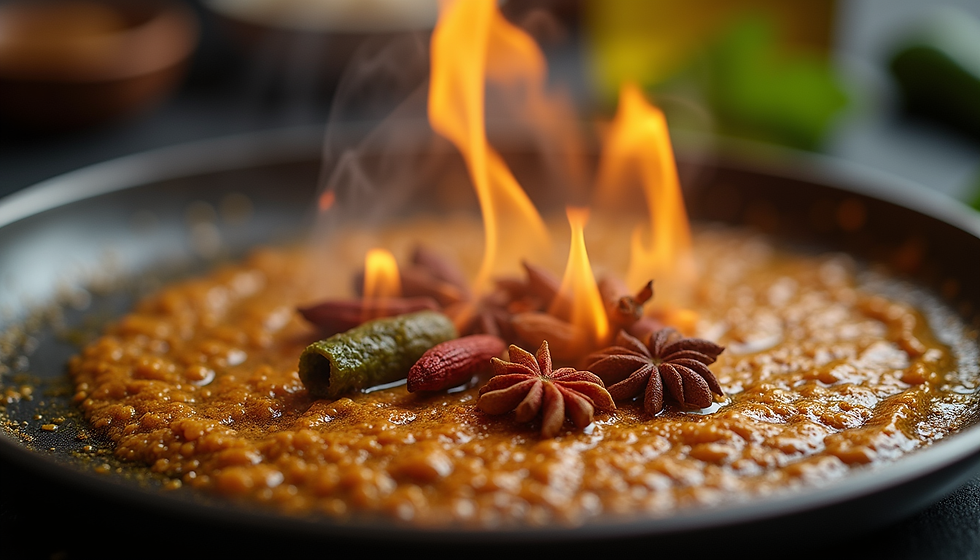
Tempering is the process of frying whole spices in hot oil or ghee to release their essential oils and aromas. This step is often done at the beginning or end of cooking and adds depth to the dish.
How to do it: Heat oil or ghee in a pan, add mustard seeds, cumin seeds, dried red chilies, or curry leaves, and let them sizzle until fragrant. Pour this over dals (lentils), vegetables, or curries.
2. Sautéing (Bhuna)
Sautéing onions, garlic, and ginger until golden brown forms the base of many Indian dishes. This slow cooking caramelizes the ingredients, adding sweetness and complexity.
3. Grinding Fresh Spices and Pastes
Using freshly ground spices or homemade pastes (like ginger-garlic paste) elevates the flavor profile. A simple mortar and pestle or spice grinder can make a big difference.
4. Slow Cooking
Many traditional Indian meals benefit from slow cooking, allowing spices to meld and meats to tenderize. Patience here rewards us with rich, layered flavors.
5. Balancing Flavors
Indian cooking is an art of balancing heat, acidity, sweetness, and saltiness. Adding a squeeze of lemon, a pinch of sugar, or a dollop of yogurt at the right moment can transform a dish.
By practicing these techniques, we can confidently prepare dishes that taste like they came from a traditional Indian kitchen.
Exploring Popular Traditional Indian Meals
Let’s dive into some beloved dishes that showcase the diversity and richness of Indian cuisine. These meals are perfect for sharing with family and friends, and they bring warmth and comfort to any table.
Butter Chicken (Murgh Makhani)
A creamy, tomato-based curry with tender chicken pieces, butter chicken is a crowd-pleaser. The secret lies in marinating the chicken in yogurt and spices, then cooking it in a rich sauce made with butter, cream, and tomatoes.
Chana Masala
This hearty chickpea curry is a staple in many Indian households. It’s tangy, spicy, and packed with protein. Using fresh tomatoes, onions, and a blend of spices like cumin, coriander, and garam masala makes it irresistible.
Palak Paneer
A vegetarian favorite, palak paneer combines soft cubes of paneer cheese with a smooth spinach gravy. It’s nutritious and flavorful, perfect with warm naan or steamed rice.
Biryani
Biryani is a fragrant rice dish layered with marinated meat or vegetables, saffron, and fried onions. It’s a celebration of spices and textures, often served during special occasions.
Dal Tadka
A simple yet satisfying lentil dish, dal tadka is made by cooking lentils until soft and then adding a tempering of spices in hot oil. It’s comfort food at its best.
These dishes are just the beginning. Exploring traditional Indian meals opens up a world of culinary creativity and joy.

Tips for Sourcing Ingredients and Cooking at Home
One of the joys of cooking traditional Indian meals is sourcing fresh, authentic ingredients. Here are some practical tips to help us get started:
Visit local Indian grocery stores: They offer a wide range of spices, lentils, flours, and fresh produce.
Choose fresh herbs: Cilantro, mint, and curry leaves add freshness and aroma.
Use quality oils: Ghee or mustard oil can enhance flavor.
Invest in basic tools: A heavy-bottomed pan, spice grinder, and a good knife make cooking easier.
Start simple: Begin with easy recipes and gradually try more complex dishes.
Experiment with spice levels: Adjust spices to suit your taste, but don’t be afraid to try authentic heat levels.
Cook in batches: Many Indian dishes taste even better the next day, so cooking extra can save time.
By following these tips, we can bring the authentic taste of Indian cuisine into our homes with confidence.
Bringing Traditional Indian Meals to Your Table
Mastering traditional Indian cooking is a rewarding experience that connects us to a rich cultural heritage. Whether we’re cooking for ourselves or hosting friends, these meals bring people together with their warmth and flavor.
If you’re looking for inspiration or want to explore more, check out some traditional indian recipes that are easy to follow and delicious. Remember, the journey to mastering Indian cooking is about enjoying the process as much as the final dish.
At Salt and Pepper Grill, we celebrate this culinary tradition by offering fresh, halal, and authentic Indian meals made with love and care. We invite you to explore these flavors through convenient online ordering and pickup, making it easier than ever to enjoy traditional Indian meals in Washington DC.
Let’s keep cooking, tasting, and sharing the magic of Indian cuisine together!
Happy cooking and bon appétit!


Comments